Everyone talks about AI, but a distribution manager asks a practical question: what will it do for me tomorrow morning? The answer is not a chatbot that answers questions. It is agents working in the background on company data, spotting what needs action and preparing a decision the responsible person approves with one click.
Report, assistant or agent?
| Report | Chat assistant | Agent | |
|---|---|---|---|
| When it works | When you open it | When you ask | Continuously in the background |
| What it gives | Numbers about the past | An answer to your question | A proposed decision ready to run |
| Who takes the initiative | You | You | The agent, then you approve |
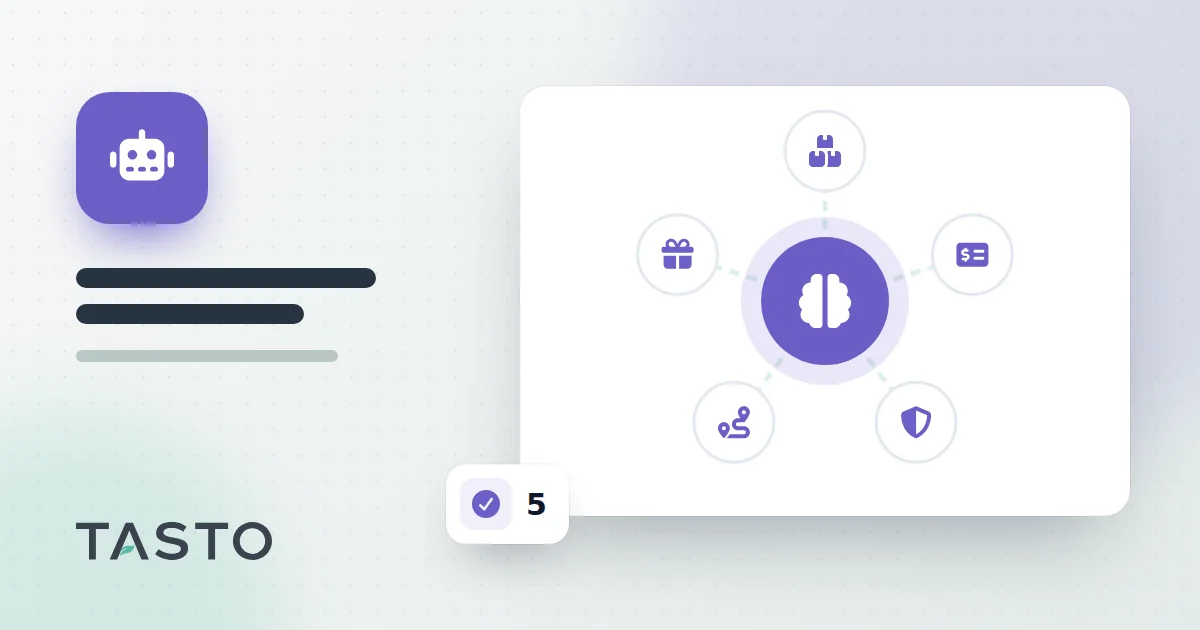
Five agents for a distributor
- 1
Stockout and procurement agent
Forecasts depletion from sales speed and supplier lead times, drafts a full purchase order, or proposes a warehouse transfer when stock exists elsewhere.
- 2
Collections and credit risk agent
Watches upcoming checks and overdue balances, prepares statement reminders and proposes credit holds on high-risk accounts.
- 3
Discount and anomaly audit agent
Checks every field-invoice discount as it is issued, and holds anything that drops margin below the limit for review.
- 4
Route planning agent
Reads tomorrow's orders, sequences visits, loads vans by capacity and prepares loading slips.
- 5
Expiry and promotions agent
Spots stock at risk of expiring before it sells and proposes a measured offer for reps' devices.
Governance: the non-negotiable condition
An agent that can issue purchase orders or block clients without controls is a real risk. Each agent should work like an employee with a defined role:
- Role permissions: the agent sees and does only what the role management defines allows.
- Value limits: any action above a set value, such as a large PO, does not run without approval.
- Explanation: every proposal shows the data the agent read and how it got there.
- Log and undo: every action is logged with the approver and time, and can be reversed.
- Learning from rejection: when a proposal is rejected, the reason is recorded so it is not repeated.
Ungoverned agent
- Acts directly with no review
- Does not explain its decision
- What it did cannot be traced
Governed agent
- Proposes; management approves above the limit
- Shows data and reasons
- Every action logged and reversible
Where to start
Start with cases that recur daily, have clear rules and a direct financial value: stockouts on fast movers, checks falling due within days, discounts above the limit. Their impact is easy to measure, and the team learns to trust the agent as its proposals prove right.
AI agents on TASTOFive agents that prepare decisions, management approval, and every action logged and reversible.