Distributing medicines and medical supplies differs from ordinary goods in one essential way: a mistake costs more than money; it can touch patient health and the company's reputation and license. Knowing an item's quantity is not enough. The system must know every batch, its expiry, its location and who received it.
A batch's journey from supplier to pharmacy
- 1
Receipt
Batch number, production and expiry dates are recorded from the supplier invoice for each item and matched to the physical shipment.
- 2
Storage
The batch is linked to a suitable location, respecting temperature requirements for sensitive items.
- 3
Picking
A pick list names the earliest-expiring sellable batch, confirmed by barcode.
- 4
Invoice
The batch number appears on the pharmacy or hospital invoice, so every pack's destination is known.
- 5
Return
Any return enters quarantine with its batch and goes back to sale only after inspection.
Block, don't just warn
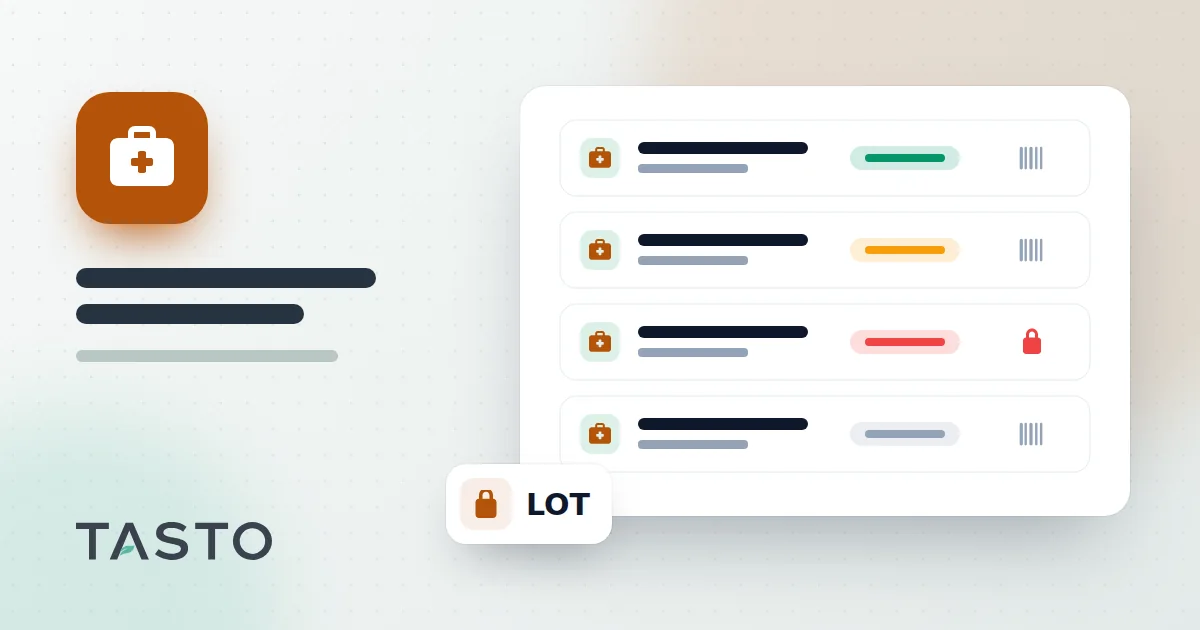
Many systems show a warning when expiry approaches or passes, then leave the decision to the user. In pharma that is not enough. The system must block issuing any expired batch, any batch held for inspection and any batch under recall, whatever the user's permissions.
| Batch status | Can it be sold? | Who changes the status |
|---|---|---|
| Available | Yes, in FEFO order | Automatically on approved receipt |
| Near expiry | Yes, with an alert and picking priority | Automatically by date |
| In quarantine | No | Quality officer after inspection |
| Held for recall | No | Management when a recall is issued |
| Expired | No, moved to disposal | Automatically at expiry |
The quarantine warehouse
Returns from pharmacies and hospitals do not go straight back to available stock. They enter a separate logical warehouse called quarantine, where the quality officer checks them: is the pack intact, was it stored correctly, is the shelf life acceptable? After inspection they return to stock, go back to the supplier or go to disposal, and every decision is logged with its owner.
Recalls: the real test of the system
Without batch tracking
- Searching paper invoices
- No idea which clients received the batch
- A broad, costly recall of everything
With batch tracking
- An instant report of clients and quantities
- The batch frozen in every warehouse and van
- A precise recall of the affected batch only
What about cosmetics and medical supplies?
Cosmetics and medical supplies need the same logic to different degrees: batches and expiry, and sometimes serial numbers for devices. Earliest-expiry-first picking prevents write-offs, as explained in FEFO vs FIFO.
TASTO for pharma and medical-supply distributionBatch and expiry tracking, automatic blocking of expired stock, and quarantined returns.